Study Techniques Guide: Must-Have Tips for Effective Learning Success
When it comes to mastering new material and excelling academically, having the right strategies in place is crucial. This study techniques guide is designed to help learners of all ages develop effective habits that can transform the way they absorb and retain information. Whether you’re a student preparing for exams or a lifelong learner looking to enhance your skills, adopting proven study methods can make a meaningful difference in your educational journey.
Why Effective Study Techniques Matter
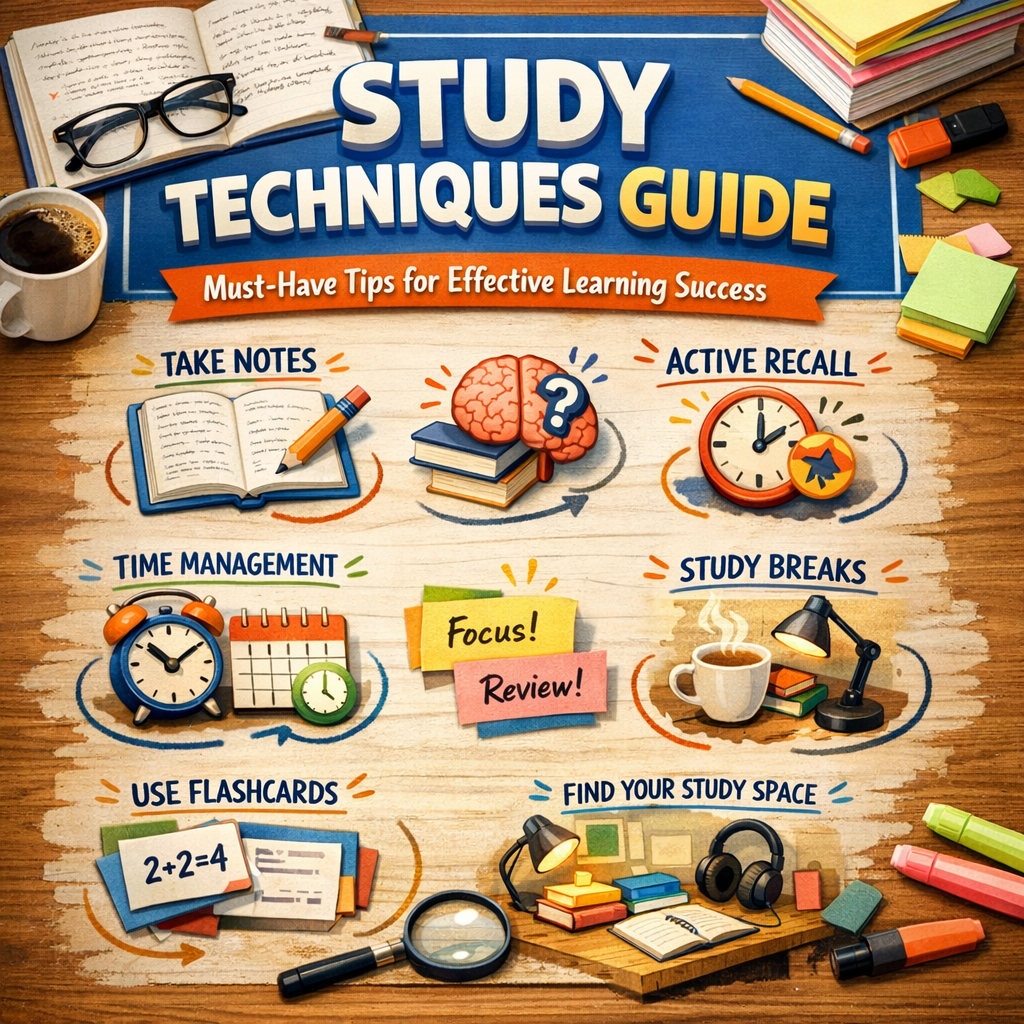
Many students struggle not because the material is inherently difficult, but because they lack the right approach. Effective study techniques help you work smarter, not harder. By optimizing your study sessions, you can:
– Increase information retention
– Improve focus and concentration
– Reduce study time without sacrificing comprehension
– Build confidence ahead of exams or presentations
Incorporating a variety of strategies tailored to your learning style can lead to more enjoyable and productive study experiences.
Essential Tips in This Study Techniques Guide for Better Learning
1. Create a Conducive Study Environment
Your surroundings can make or break a productive study session. Choose a quiet, well-lit space free from distractions like smartphones, television, or noisy family members. Organize your materials beforehand—have textbooks, notes, pens, and highlighters readily accessible. A tidy, dedicated study area signals your brain that it’s time to focus.
2. Set Specific Goals and Plan Study Sessions
Before diving in, outline clear, achievable goals for each study session. For example, instead of a vague “study biology,” try “review chapters 5-7 and summarize key concepts.” Using a planner or calendar, allocate fixed blocks of time devoted solely to these objectives. This structure helps prevent procrastination and keeps you on track over time.
3. Use Active Learning Techniques
Passive reading or rereading can be ineffective. Instead, engage with the material actively:
– Summarize information in your own words.
– Ask questions and try answering them.
– Teach concepts to a friend or even aloud to yourself.
– Create flashcards for quick memory drills.
Active involvement strengthens connections in your brain and improves long-term retention.
4. Employ the Pomodoro Technique
Studying for hours on end can lead to burnout and decreased focus. The Pomodoro Technique is a time management method involving 25 minutes of focused work followed by a 5-minute break. After four cycles, take a longer break of 15-30 minutes. This approach keeps your mind fresh and wards off fatigue, making study time more efficient.
5. Take Effective Notes
Good notes are invaluable for review. Use methods like the Cornell note-taking system, mind maps, or bullet points to organize information logically. Highlight or underline important points, but avoid overdoing it. Effective notes transform passive reading material into active study aids.
6. Practice Retrieval and Self-Testing
Testing yourself on the material, instead of only reviewing notes, boosts memory. This study techniques guide includes the recommendation to practice retrieval through quizzes, past exams, or even flashcards. The effort to recall information helps identify gaps in knowledge while reinforcing what you already know.
7. Utilize Spaced Repetition
Spacing out study sessions over days or weeks rather than cramming all at once is scientifically proven to enhance learning. Revisiting topics repeatedly over time strengthens neural pathways and secures information in long-term memory. Apps like Anki or Quizlet can facilitate spaced repetition for vocabulary, formulas, or facts.
8. Stay Healthy: Nutrition, Sleep, and Exercise
Your brain performs best when your body is well cared for. Maintain a balanced diet rich in nutrients that support brain function, such as omega-3 fatty acids and antioxidants. Prioritize 7-9 hours of sleep to consolidate memories and improve cognitive abilities. Regular physical activity also boosts concentration and alleviates stress.
9. Manage Stress and Stay Positive
Exam pressure or academic challenges can be overwhelming. Incorporate relaxation techniques such as deep breathing, meditation, or mindfulness to stay calm and focused. Cultivate a positive mindset by celebrating small milestones and reminding yourself that persistence leads to progress.
10. Seek Help When Needed
Don’t hesitate to ask teachers, tutors, or study groups for assistance if you encounter difficult topics. Collaborative learning offers new perspectives and often clarifies complex ideas quickly.
Conclusion
This study techniques guide offers a comprehensive approach to boosting your learning effectiveness. By creating the right environment, setting clear goals, engaging actively with material, and taking care of your overall well-being, you pave the way for academic success. Remember, mastering these tips takes practice and patience, but the payoff is well worth the effort. Embrace these methods, and watch your confidence and competence soar!