Study Planning Strategies: Must-Have Tips for Effortless Success
Successful learning isn’t just about how much time you spend hitting the books; it’s about how smartly you plan and organize that time. Study planning strategies can make all the difference between feeling overwhelmed and achieving your academic goals with ease. Implementing effective tactics to structure your study sessions enhances focus, retention, and motivation — turning a daunting task into a manageable routine. In this article, we’ll explore these essential strategies that help students excel effortlessly.
Why Study Planning Strategies Matter
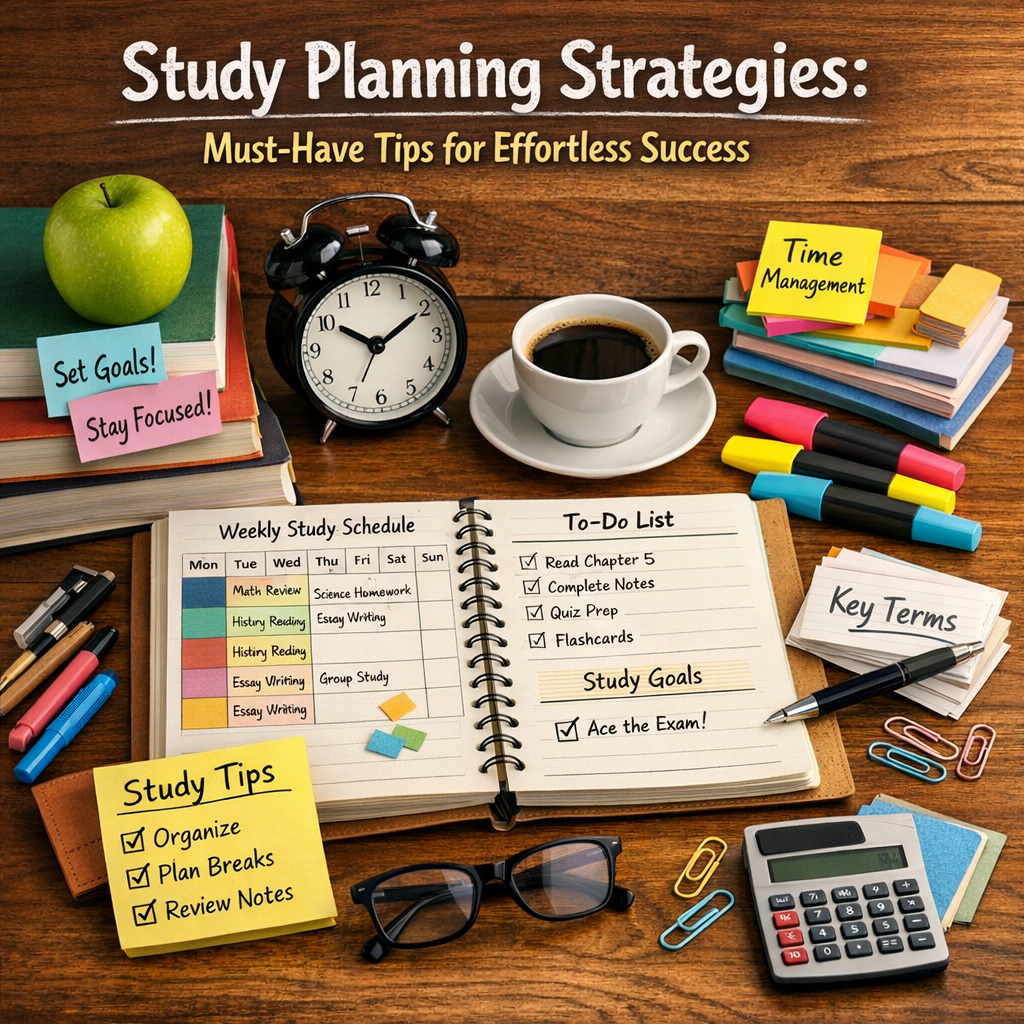
Many students struggle with procrastination or burnout because they lack a solid framework for their study sessions. Without a clear plan, time can slip away inefficiently, leading to last-minute cramming and stress. A well-crafted study plan encourages consistent progress, reduces anxiety, and supports better understanding of material.
By breaking down complex subjects into smaller, attainable chunks and scheduling targeted review sessions, study planning strategies foster better memory retention and increase the likelihood of long-term learning success. This approach not only maximizes productivity but also creates a balanced study-life routine.
Key Components of Effective Study Planning Strategies
1. Set Clear and Achievable Goals
Before you dive into your study session, it’s crucial to outline what you want to accomplish. Are you aiming to complete a chapter, practice problem-solving, or revise specific concepts? Defining clear goals provides direction and motivates you to stay on track.
Set SMART goals — Specific, Measurable, Achievable, Relevant, and Time-bound — to keep your objectives realistic. For example, instead of saying “study biology,” say “review the human circulatory system chapter for 45 minutes and complete 10 quiz questions.”
2. Create a Detailed Study Schedule
A fundamental part of study planning strategies is developing a consistent schedule. Allocate specific time slots for studying different subjects, focusing on your most challenging topics when your energy and concentration levels are at their peak.
Use planners, calendars, or digital apps to block out these times, making sure to diversify your sessions to prevent monotony. Stick to your schedule as closely as possible but allow flexibility for unexpected events to reduce stress.
3. Prioritize Tasks Using the Eisenhower Matrix
Not all study tasks carry equal weight. Applying the Eisenhower Matrix—a time management tool—helps you prioritize urgent and important tasks. Label activities as urgent/important, important/not urgent, urgent/not important, and not urgent/not important.
This method encourages focusing on tasks that yield significant learning benefits and prevents wasted time on low-impact activities. It is especially helpful when managing multiple deadlines or prepping for exams.
4. Utilize Active Learning Techniques
Integrating active learning techniques is a core element of effective study planning strategies. Passive reading seldom leads to deep comprehension, so engage with the material by summarizing notes, teaching others, creating mind maps, or practicing flashcards.
Regular self-assessment tests or quizzes also reinforce learning and identify areas needing further review. Incorporating these techniques keeps study sessions dynamic and impactful.
5. Incorporate Regular Breaks and Self-Care
Endless studying without breaks can result in cognitive fatigue and diminished returns. Studies show that short breaks during study sessions improve focus and information retention. Techniques like the Pomodoro Technique—which involves 25 minutes of focused work followed by a 5-minute break—can be very effective.
Additionally, prioritize sleep, nutrition, and physical activity. A healthy mind and body are foundational to successful learning.
Practical Tips to Stay Consistent with Your Study Plan
Keep Your Study Space Organized
A clutter-free, comfortable environment reduces distractions and enhances concentration. Make sure your study area is well-lit and equipped with all necessary materials.
Track Your Progress
Regularly reviewing your accomplishments and adjusting your plan builds momentum and confidence. Celebrating small wins keeps motivation high and informs you when to shift focus.
Minimize Distractions
Turn off notifications, keep phones away, or use apps to block distracting websites during study periods. A focused mind helps make study planning strategies truly effective.
Conclusion
Mastering study planning strategies is crucial for anyone wanting to achieve academic success with less stress and more confidence. By setting clear goals, maintaining a disciplined schedule, prioritizing tasks, engaging actively with material, and taking care of your well-being, you create a sustainable study habit that promotes effortless learning. Start implementing these tips today and watch your productivity soar, turning study sessions from dreaded chores into empowering steps toward your dreams.