Professional Development Tools: Must-Have Solutions for Effortless Career Growth
In today’s fast-paced and ever-evolving work environment, professional development tools are essential to staying competitive and advancing one’s career. These tools not only provide employees with the means to upgrade their skills but also empower organizations to cultivate a culture of continuous learning. Whether you are an individual looking to climb the career ladder or a business aiming to enhance workforce capabilities, integrating the right professional development solutions can make all the difference.
Why Professional Development Tools Are Crucial for Career Growth
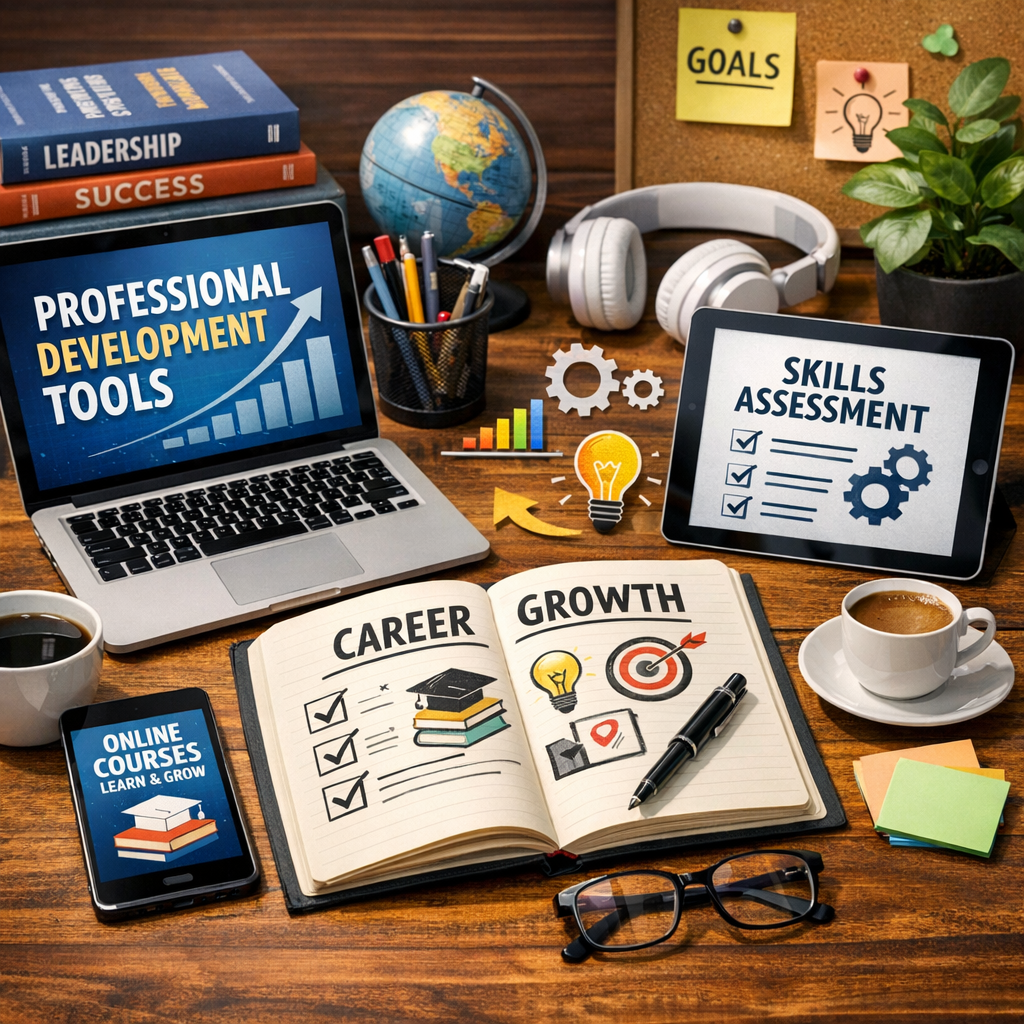
Professional development tools encompass a variety of resources, platforms, and applications designed to enhance skills, knowledge, and performance in the workplace. With rapid technological advancements and changing market demands, relying on static knowledge is no longer sufficient. These tools help professionals identify skill gaps, access training materials, collaborate with peers, and track progress—ultimately making career advancement more manageable and strategic.
Employees who actively engage with professional development tools often experience increased job satisfaction, better performance, and improved leadership opportunities. For employers, investing in these tools leads to higher employee retention, increased productivity, and a stronger competitive advantage.
Types of Professional Development Tools to Consider
There is a broad range of professional development tools available, each catering to different learning styles and career goals. Exploring some of the most popular and effective types can help you determine which solutions are best suited to your career path.
1. Learning Management Systems (LMS)
Learning Management Systems are platforms that organize and deliver educational content to learners. Companies frequently use LMS to roll out onboarding programs, compliance training, and skills development courses. Popular LMS platforms, such as Moodle, TalentLMS, and Canvas, provide customizable training modules that support both synchronous and asynchronous learning models.
2. Online Course Platforms
Online course providers like Coursera, Udemy, and LinkedIn Learning offer vast libraries of courses on a wide array of professional skills, from project management to coding and soft skills. Many platforms provide certifications upon completion, which can bolster your resume and validate your expertise.
3. Skill Assessment Tools
Understanding your strengths and weaknesses is a vital step in professional development. Skill assessment tools use quizzes, simulations, and AI-driven analytics to evaluate competencies and recommend personalized learning paths. Tools like Pluralsight IQ and Skillsoft SkillBench can help identify where you need improvement.
4. Collaboration and Communication Tools
Collaboration platforms such as Slack, Microsoft Teams, and Zoom have become indispensable in remote or hybrid work environments. These tools facilitate teamwork, knowledge sharing, and mentoring, which are critical components of continuous development.
5. Personal Productivity Apps
Effective time and task management contribute significantly to career growth. Apps like Todoist, Trello, and Notion empower professionals to organize their learning schedules, set developmental goals, and prioritize tasks efficiently.
How to Choose the Right Professional Development Tools
Selecting the right professional development tools depends on your specific career objectives, learning preferences, and available resources. Here are some tips to guide your decision-making:
– Identify Your Goals: Are you aiming to gain technical skills, improve leadership capabilities, or explore a new field? Your objectives will shape the types of tools you should use.
– Consider Accessibility: Choose tools that are user-friendly and compatible with your devices. Accessibility enhances consistent engagement.
– Evaluate Credibility: Opt for platforms that offer high-quality content developed by industry experts and recognized institutions.
– Look for Customization: The ability to tailor learning experiences to suit your pace and style can lead to better retention and motivation.
– Review Costs: Professional development is an investment, but many excellent free or low-cost options exist. Assess the value offered relative to the expense.
Making the Most of Your Professional Development Tools
Integrating these solutions effectively requires a proactive approach. Here are practical steps to maximize the impact:
– Set Clear Milestones: Break down your development goals into achievable milestones and deadlines.
– Leverage Analytics: Use built-in tracking and reporting features to monitor your progress and adjust your learning plan as needed.
– Engage with Communities: Join forums, discussion groups, or mentorship programs linked to your chosen tools to foster engagement and networking.
– Apply Learning Practically: Seek opportunities to implement new skills in your day-to-day work, reinforcing knowledge through practice.
– Reflect and Adapt: Periodically evaluate your development journey and refine your toolset and strategies accordingly.
Conclusion
Professional development tools are no longer optional—they are indispensable in navigating today’s dynamic career landscape. By leveraging a combination of learning platforms, assessment instruments, collaboration apps, and productivity aids, professionals can create a structured and enriching growth experience. Whether you’re seeking to enhance your expertise or prepare for leadership roles, these solutions provide the foundation for sustained success with less effort and more clarity. Embrace the power of professional development tools today and take confident strides towards your future career achievements.