Career Skills Checklist: The Must-Have Guide for Your Best Career
In today’s fast-paced and competitive job market, having a well-rounded set of skills is essential to stand out and succeed. A career skills checklist is a practical tool that can guide you to identify, develop, and showcase the competencies most valued by employers across industries. Whether you are just starting your professional journey, considering a career change, or aiming for advancement, understanding the vital skills to focus on will help you unlock your full potential.
What is a Career Skills Checklist?
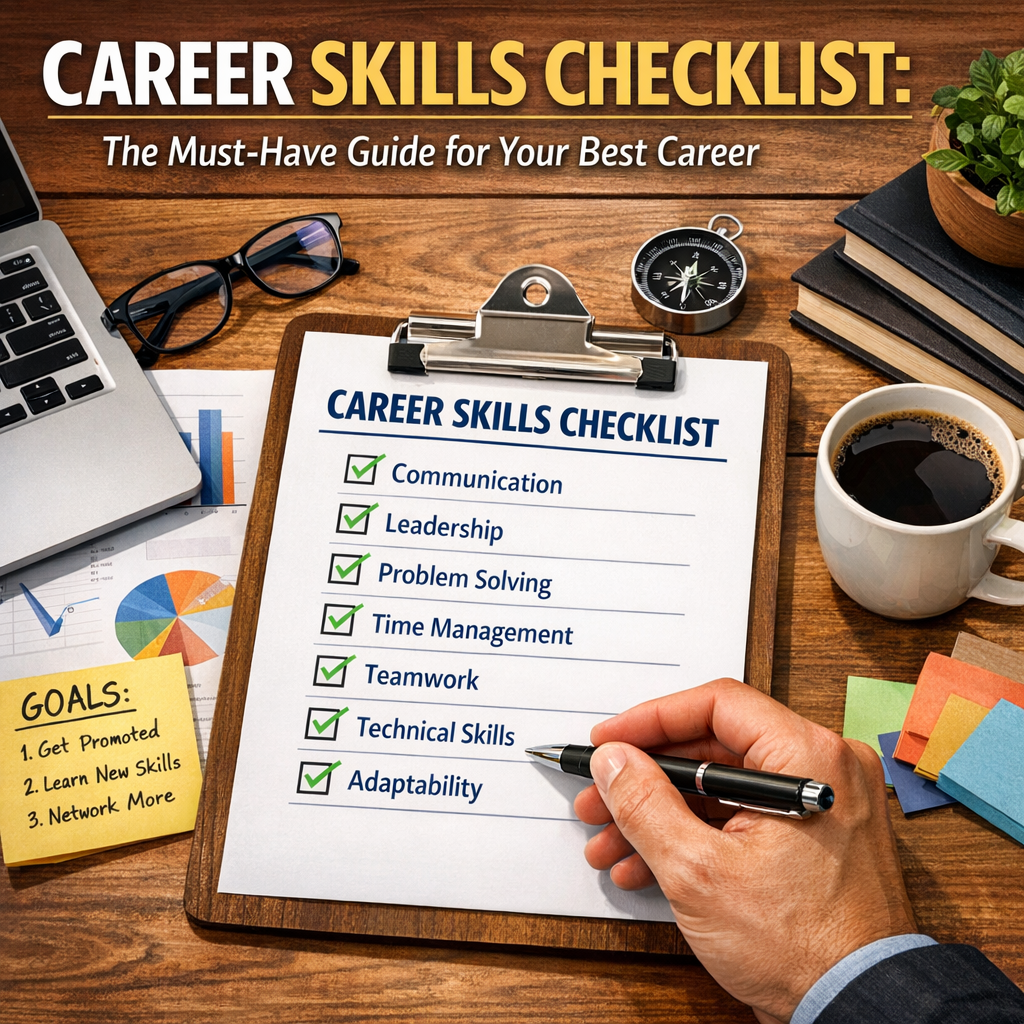
A career skills checklist is a comprehensive list of abilities and qualifications that are crucial for professional success. It includes both hard skills—specific technical or job-related abilities—and soft skills, which are interpersonal and personality traits essential for effective communication, problem-solving, and leadership.
Using this checklist as a reference ensures you are continually upgrading your skillset to match the evolving demands of the workplace. Moreover, it can serve as a self-assessment tool to identify gaps you need to fill through education, training, or practical experience.
Why You Need a Career Skills Checklist
Employers increasingly look for candidates who not only have the technical know-how but also excel in collaboration, adaptability, and critical thinking. A career skills checklist helps you to:
– Highlight key competencies during job applications and interviews.
– Focus your professional development efforts on high-impact skills.
– Enhance your confidence by tracking your progress and achievements.
– Facilitate career planning by matching skills to specific roles and industries.
By regularly referring to this checklist, you build a strong foundation for long-term career growth.
Essential Elements of a Career Skills Checklist
In crafting your career skills checklist, consider including these core categories:
1. Technical Skills
These are the knowledge and abilities required to perform specific job functions. Examples of technical skills depend on your field but often include:
– Proficiency in software and tools (e.g., Microsoft Office, Adobe Suite, programming languages)
– Data analysis and interpretation
– Project management methodologies
– Industry-specific certifications and procedures
Investing time to deepen your technical expertise makes you a valuable asset to any organization.
2. Communication Skills
Clear and effective communication is indispensable in any career. This category encompasses:
– Writing professional emails and reports
– Conducting presentations and public speaking
– Active listening and empathy
– Negotiation and conflict resolution
Strong communication skills foster collaboration and reduce misunderstandings, improving overall workplace productivity.
3. Problem-Solving and Critical Thinking
Employers prize employees who can analyze situations, think creatively, and make informed decisions. Key problem-solving abilities include:
– Identifying root causes of issues
– Generating and evaluating alternative solutions
– Using data to support decisions
– Remaining calm under pressure
These skills help you navigate complex challenges and contribute to your team’s success.
4. Leadership and Teamwork
Regardless of your position, leadership and the ability to work well with others are vital. Your checklist should incorporate:
– Motivating and inspiring colleagues
– Delegating tasks effectively
– Providing constructive feedback
– Building and maintaining positive working relationships
Exhibiting leadership qualities opens doors to management and supervisory roles, accelerating career advancement.
5. Adaptability and Time Management
In a world where change is constant, being flexible and organized gives you a competitive edge. Important skills include:
– Adjusting to new tools, policies, and environments
– Prioritizing tasks to meet deadlines
– Managing multiple projects simultaneously
– Maintaining productivity during disruptions
These traits demonstrate resilience and reliability, which are highly valued by employers.
How to Use Your Career Skills Checklist Effectively
To get the most out of your career skills checklist, follow these practical steps:
1. Perform a Self-Assessment: Honestly evaluate your current skill levels and identify areas for improvement.
2. Set Specific Goals: Choose skills to develop based on your career aspirations, industry trends, and job descriptions.
3. Seek Learning Opportunities: Enroll in courses, attend workshops, or find mentors to build targeted skills.
4. Apply Skills in Real Settings: Volunteer for challenging projects or roles that stretch your capabilities.
5. Review and Update Regularly: Keep your checklist current to reflect new skills acquired and changing career goals.
By systematically working through your checklist, you can maintain momentum and make continuous progress.
Conclusion
A career skills checklist is more than just a list; it’s a strategic guide that empowers you to take control of your professional development. By focusing on a balanced combination of technical and soft skills, you increase your employability, job satisfaction, and potential for advancement. Start building your personalized checklist today and pave the way for your best career yet. Remember, skill mastery is a journey, not a destination—stay curious, committed, and ready for whatever opportunities come your way.