Study Planning for Professionals: Must-Have Strategies for Effortless Success
In today’s fast-paced world, study planning for professionals has become an essential skill for career growth and personal development. Whether you are pursuing further education, certifications, or simply looking to enhance your knowledge, finding the right balance between work and study can be challenging. Efficient study planning not only helps in managing time effectively but also ensures that learning is meaningful and productive without causing burnout.
This article will take you through key strategies to create a study plan tailored for busy professionals. With the right approach, achieving your educational goals can become a seamless part of your routine.
Why Study Planning for Professionals Is Crucial
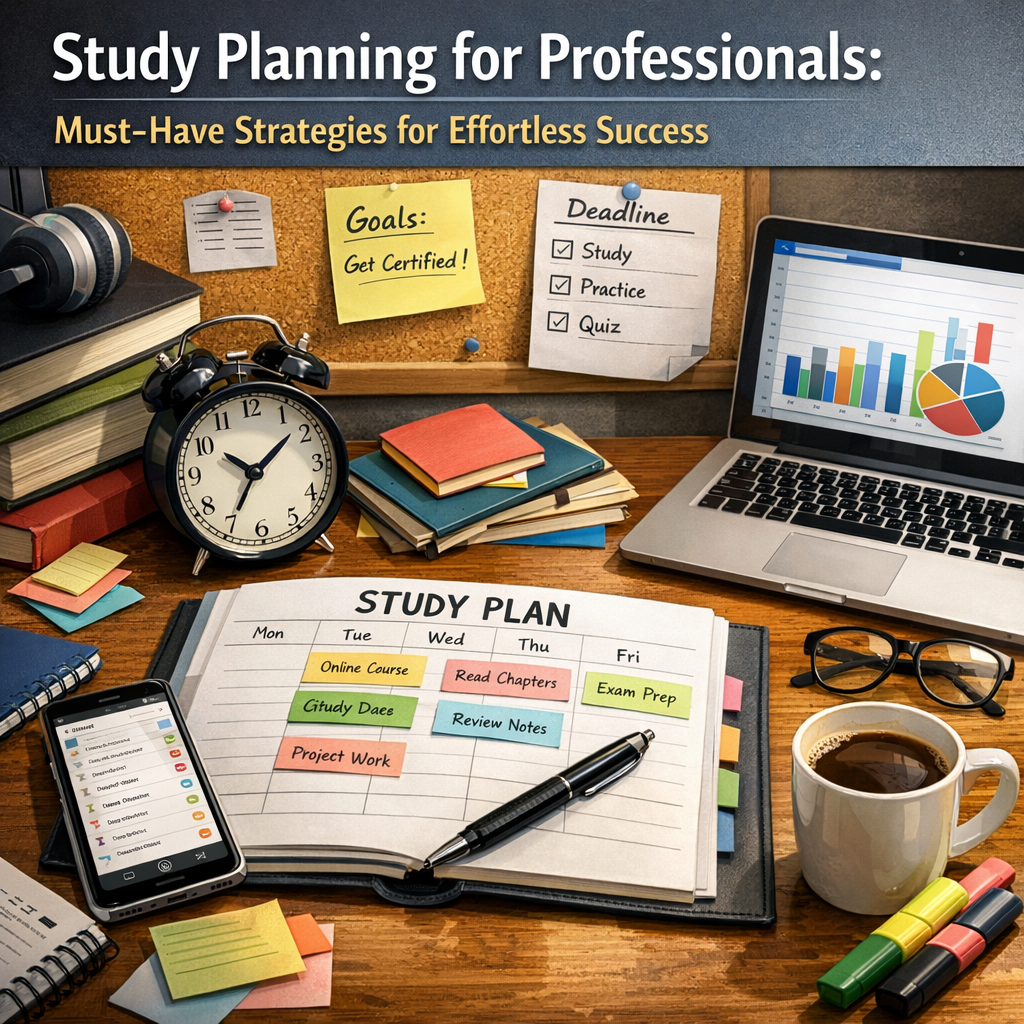
For professionals juggling work deadlines, family commitments, and social obligations, time is a precious commodity. Without a structured approach, study sessions can turn into stressful experiences filled with procrastination and overwhelm. A well-thought-out study plan makes it easier to:
– Prioritize learning objectives
– Allocate focused time blocks
– Track progress consistently
– Maintain motivation throughout the journey
By adopting efficient study habits, you not only improve retention but also reduce stress, making the entire process more enjoyable and sustainable.
Assess Your Personal and Professional Schedule
The first step in effective study planning is conducting a realistic assessment of your current commitments. Identify the hours when you are most alert and productive. For many professionals, early mornings or late evenings may be the ideal study windows. Others might benefit from short bursts of focused study during lunch breaks or weekends.
Use tools like digital calendars or planner apps to map out your week, marking work meetings, deadlines, family events, and relaxation time. This clear overview allows you to pinpoint available slots for study without compromising other priorities.
Set Clear, Achievable Goals
Setting goals plays a critical role in study planning for professionals. Ambiguous objectives such as “study more” or “learn about marketing” rarely yield results. Instead, set SMART goals — Specific, Measurable, Achievable, Relevant, and Time-bound. Examples could be:
– Complete Module 3 of the project management certification by Friday.
– Read and summarize two chapters of a business analytics book over the weekend.
– Practice case studies for 30 minutes daily.
Clear goals provide direction and a sense of accomplishment, leading to sustained motivation.
Prioritize Tasks Using the Eisenhower Matrix
When managing studies alongside professional responsibilities, it is easy to feel overwhelmed by the sheer volume of tasks. The Eisenhower Matrix can help prioritize activities by categorizing them into four quadrants:
– Urgent and Important
– Important but Not Urgent
– Urgent but Not Important
– Neither Urgent nor Important
Apply this method to your study topics and assignments to ensure you focus on high-impact areas first and avoid wasting time on less important tasks.
Create a Study Routine That Fits Your Lifestyle
Consistency is key. Establish a daily or weekly study routine that integrates seamlessly into your life. Whether it’s dedicating 45 minutes after dinner for a course module or waking up an hour earlier for reading, find what works best for your energy levels and commitments.
Incorporate breaks to avoid fatigue and use techniques like the Pomodoro Method—25 minutes of focused work followed by 5-minute rests—to enhance concentration. Remember, quality beats quantity.
Utilize Technology and Resources
Modern professionals have an advantage with numerous digital tools designed to aid study planning. Consider using:
– Learning Management Systems (LMS) for structured courses
– Note-taking apps like Evernote or Notion for organizing material
– Flashcard apps (e.g., Anki) for memorization
– Time management apps like Toggl or RescueTime to monitor study sessions
Moreover, leverage podcasts, webinars, and online forums related to your field, enabling continuous learning even during commutes or downtime.
Track Your Progress and Adapt
A dynamic study plan is responsive to changes. Regularly evaluate your progress against set goals. This helps identify areas where adjustments are necessary, be it increasing study time, changing study methods, or revising priorities.
Celebrate milestones, no matter how small, to boost morale. If you find certain strategies ineffective, be open to experimenting with new techniques until you find the optimal approach.
Maintain a Balanced Lifestyle
Effortless success in studying does not mean working non-stop. Maintaining physical health, mental well-being, and social connections is vital. Ensure adequate sleep, regular exercise, and healthy nutrition as these directly impact cognitive function and learning ability.
Additionally, practice mindfulness or stress-relief activities to sustain focus and reduce burnout. A balanced lifestyle complements your study efforts and enhances overall productivity.
Conclusion
Effective study planning for professionals transforms learning from a daunting task into a manageable and rewarding process. By understanding your schedule, setting clear goals, prioritizing tasks, and utilizing the right techniques and tools, you can achieve academic and professional growth effortlessly. Remember, adaptability and balance are your allies on this journey toward success. Embrace these strategies, and watch your learning endeavors thrive alongside your career.