Study Techniques for Beginners: Must-Have Tips for Effortless Learning
Starting a new learning journey can be overwhelming, especially if you are unsure about the best ways to absorb and retain information. Study techniques for beginners provide a structured approach to mastering new material without unnecessary stress or confusion. Whether you’re a student returning to school, a professional acquiring new skills, or simply an enthusiastic learner, adopting effective strategies early on can transform your educational experience and lead to consistent success. This article explores essential tips that make learning more manageable, efficient, and even enjoyable.
Why Study Techniques for Beginners Matter
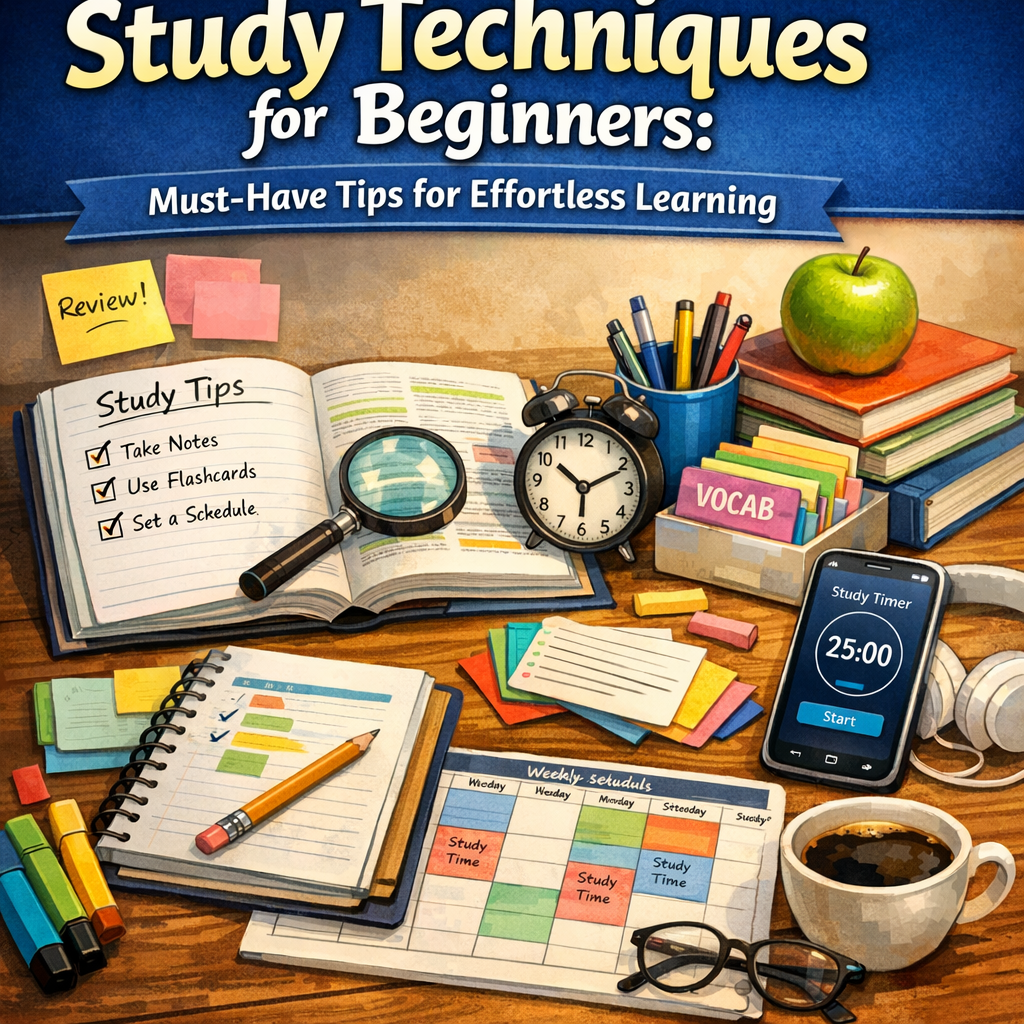
Before diving into specific methods, it’s important to understand why study techniques matter. Beginners often struggle with distractions, lack of organization, or ineffective habits such as cramming or passive reading. Good study techniques help establish productive routines, enhance comprehension, and improve long-term retention. By cultivating effective habits and smart strategies, learners can minimize frustration and maximize the value of their study time.
—
Get Organized: The Foundation of Effective Studying
One of the first steps in embracing study techniques for beginners is getting organized. Without a clear plan, it’s easy to feel lost or overwhelmed by large volumes of information.
– Create a Study Schedule: Consistency is key. Dedicate specific time blocks each day to focus on your learning materials. A balanced routine prevents last-minute cramming and helps build momentum.
– Break Down Material: Divide your subjects into smaller, manageable sections. Tackling one topic at a time enhances focus and makes retention easier.
– Use Tools for Organization: Whether it’s a planner, digital calendar, or study apps, tools can remind you of deadlines and help prioritize study sessions.
—
Active Learning: Engaging with the Content
Passive reading or listening rarely leads to deep understanding, so one of the most effective study techniques for beginners is active learning.
– Take Notes Effectively: Summarize key points in your own words. Use bullet points, diagrams, or mind maps to visualize relationships between ideas.
– Ask Questions: Challenge yourself with questions about the material. This method encourages critical thinking and deeper engagement.
– Teach Others: Explaining what you’ve learned to someone else helps solidify your knowledge and reveals any gaps in understanding.
—
Use Mnemonics and Memory Aids
Retaining complex information can be challenging for beginners without the right tools. Mnemonics, acronyms, and memory aids offer creative ways to remember key facts.
– Acronyms: Create acronyms from the first letters of a list to quickly recall concepts.
– Visualization: Associate ideas with vivid images or locations. The “memory palace” technique is a powerful example that utilizes spatial memory.
– Chunking: Group bits of information together to make them easier to remember, such as breaking phone numbers into smaller sets.
—
Create an Ideal Study Environment
The right environment plays a crucial role in effective learning. Beginners often underestimate the impact that distractions and discomfort can have on concentration.
– Quiet and Comfortable Space: Find a spot with minimal noise and good lighting where you can sit comfortably for extended periods.
– Limit Distractions: Turn off notifications on your devices or use apps that block distracting websites during study time.
– Keep Materials Handy: Have all your books, notes, and supplies within reach to prevent unnecessary breaks.
—
Practice Regular Review and Self-Assessment
Learning is an ongoing process that requires revisiting material multiple times to move information from short-term to long-term memory.
– Spaced Repetition: Review material at increasing intervals to reinforce memory retention. Tools like flashcards or spaced repetition software can assist with this.
– Self-Quizzing: Test your understanding regularly by doing practice problems or answering questions without looking at your notes.
– Reflect and Adjust: After each study session, think about what worked well and what didn’t. Adapt your techniques accordingly for continuous improvement.
—
Take Care of Your Mind and Body
Successful learning isn’t just about study methods—it’s also about maintaining physical and mental well-being.
– Stay Hydrated and Nourished: Drinking water and eating brain-boosting foods enhance concentration and energy.
– Get Enough Sleep: Sleep consolidates memories and improves cognitive function.
– Take Breaks: Use techniques like the Pomodoro method (25 minutes study, 5 minutes break) to maintain focus without burnout.
—
Final Thoughts on Study Techniques for Beginners
Starting with effective study techniques for beginners can drastically shift your learning outcomes. Organized routines, active engagement, memory aids, a suitable environment, consistent review, and healthy habits all contribute to making studying feel less like a chore and more like an enjoyable, rewarding process.
Remember that every learner is unique, so it’s important to experiment with different techniques to discover what fits your style best. With patience and persistence, effortless learning is within your reach—transform your approach today and unlock your full potential.